

Sharing this blog post about self care to remind everyone to take care of yourself. Doing so will allow you to become the best version of yourself.
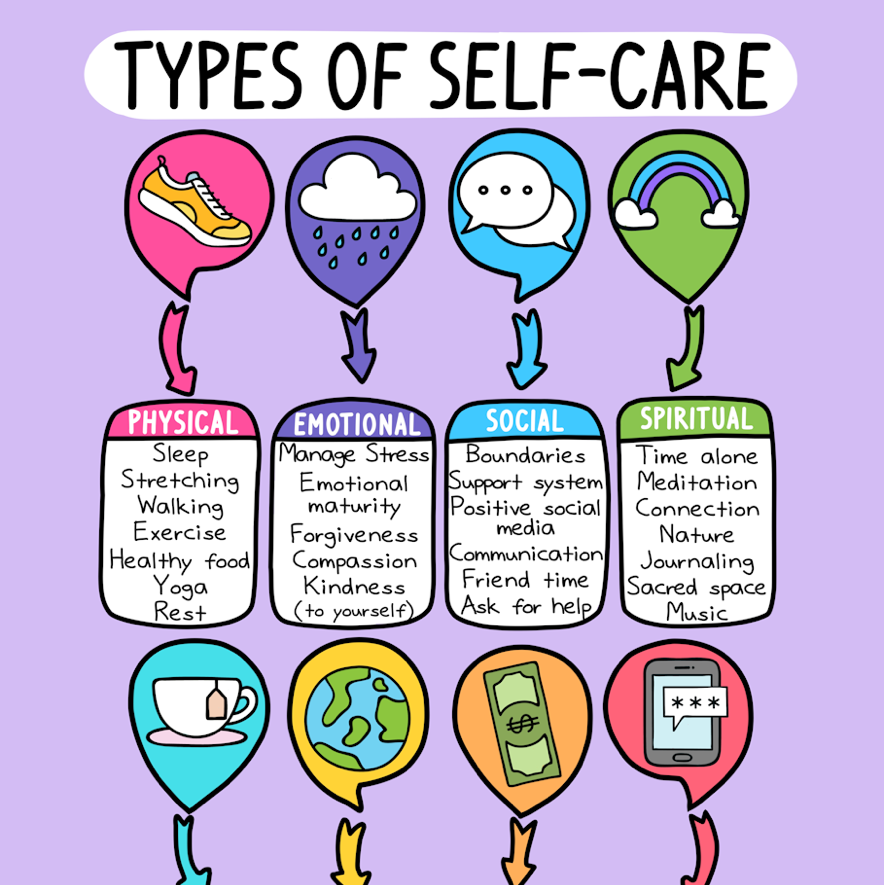
The Importance Of Self Care Today
Making Time for You: Why Self-Care Matters More Than Ever
We live in a culture that celebrates busyness. Full calendars, back-to-back commitments, and the quiet pressure to always be doing something have become badges of honour. Somewhere along the way, rest started to feel like laziness, and taking time for yourself began to feel like a luxury you have to earn. But here's the truth: self-care isn't a luxury. It's maintenance. It's the foundation that everything else in your life is built on — your work, your relationships, your health, and your happiness. You can't pour from an empty cup, and you can't show up fully for the people and projects you love if you're running on fumes. What Self-Care Actually Is (and Isn’t).
Self-care has picked up a reputation for being all bubble baths, scented candles, and expensive spa days. And while those things can absolutely be part of it, real self-care goes much deeper.
At its core, self-care is any intentional action you take to protect and improve your physical, mental, or emotional wellbeing. Sometimes it looks indulgent — a long soak in the tub or an afternoon nap. But just as often, it looks like the unglamorous stuff: going to bed on time, drinking enough water, saying no to plans you don't have the energy for, or finally booking that doctor's appointment you've been putting off. Self-care isn't selfish, and it isn't a reward for surviving a hard week. It's a practice — something you do regularly, in small ways, so that the hard weeks don't hit quite as hard.
Why It Matters
The benefits of consistent self-care aren't just feel-good fluff — they're real and well-documented:
- Reduced stress and anxiety. Regular moments of rest help lower cortisol levels and give your nervous system a chance to reset.
- Better physical health. Sleep, movement, and nutrition are the pillars of self-care, and they directly affect your immune system, energy levels, and long-term health.
- Improved focus and productivity. Rested people think more clearly, make better decisions, and get more done in less time. Rest isn't the opposite of productivity — it fuels it.
- Stronger relationships. When your own needs are met, you have more patience, empathy, and presence to offer the people around you.
- Greater emotional resilience. Self-care builds a buffer. When life throws something unexpected at you, you have reserves to draw on instead of tipping straight into burnout.
Ignoring self-care, on the other hand, has a way of catching up with you. Burnout rarely announces itself — it creeps in slowly through skipped meals, shortened sleep, and one too many "I'll rest when things calm down" promises. Things rarely calm down on their own. You have to create the calm. Simple Self-Care Ideas to Try This Week The best self-care routine is the one you'll actually do. You don't need hours of free time or a big budget — you just need a little intention. Here are some ideas, broken down by the kind of care you might be craving.
🌿 For Your Body
- Take a walk outside. Even ten minutes of fresh air and sunlight can lift your mood and clear your head.
- Stretch or do gentle yoga. Especially helpful if you spend your day sitting at a desk.
- Prioritise sleep. Try setting a "wind-down alarm" an hour before bed as a cue to start slowing down.
- Cook yourself a proper meal. Nourishing your body is one of the most fundamental acts of self-respect.
- Stay hydrated. Simple, boring, and genuinely transformative.
🧠 For Your Mind
- Try a digital detox. Put your phone in another room for an hour, or make your bedroom a screen-free zone.
- Journal for five minutes. Write down what's on your mind — no structure needed. Getting thoughts onto paper stops them spinning in your head.
- Read for pleasure. Not for work, not for self-improvement — just for the joy of it.
- Practise mindfulness or meditation. Even a few minutes of focused breathing can shift your entire day.
- Learn something new. A language app, a podcast, a new recipe — novelty is wonderful fuel for the brain.
💛 For Your Heart
- Call someone you love. Connection is one of the most powerful forms of self-care there is.
- Say no to something. Protecting your time and energy is an act of care, not rudeness.
- Write down three things you're grateful for. Gratitude gently retrains your brain to notice the good.
- Do something creative. Paint, bake, garden, sing in the car — creativity is joy without a deadline.
- Give yourself permission to rest. No productivity required. Rest is allowed to be the whole activity.
Making It Stick
Knowing what to do is the easy part — the challenge is making self-care a habit rather than an occasional emergency measure. A few tips: 1. Start small. Five minutes a day is infinitely better than an ambitious routine you abandon after a week. 2. Schedule it. Put it in your calendar like any other appointment. What gets scheduled gets done. 3. Attach it to an existing habit. Stretch while your coffee brews. Journal right after brushing your teeth. 4. Let go of perfection. Missed a day? That's fine. Self-care includes being kind to yourself when things don't go to plan. 5. Check in with yourself. Ask, "What do I actually need right now?" Sometimes it's movement; sometimes it's stillness. Learning to listen is the real skill.
A Final Thought
Self-care isn't about escaping your life — it's about building a life you don't need to escape from. It's the daily, deliberate choice to treat yourself with the same kindness you'd offer a good friend.
So this week,
choose one small thing from the list above and actually do it. Not because you've earned it, but because you're human, and humans need care. You included.
Your future self will thank you. 💛